
Expert Shoulder Treatment in Dubai | Rotator Cuff & Arthroscopy
Restore your shoulder strength and mobility with Dr. Usama Saleh’s expert shoulder treatment in Dubai. Specializing in rotator cuff repair, shoulder arthroscopy, instability correction, and impingement relief. With fellowship training from the University of Toronto and 23+ years of experience, Dr. Usama delivers world-class shoulder care tailored to your specific condition. Whether you’re an athlete, professional, or everyday person, we provide minimally invasive solutions that get you back to what you love.
Understanding Shoulder Conditions: Diagnosis & Treatment Options
The shoulder is one of the body’s most complex joints, allowing incredible range of motion but also susceptible to various injuries and conditions. Understanding your shoulder condition is the first step toward effective treatment.
Common shoulder conditions include rotator cuff tears (tendon damage), shoulder instability (loose joint), shoulder impingement (pinched tissue), frozen shoulder (severe stiffness), bicep tendonitis (front shoulder inflammation), tennis elbow (lateral epicondylitis), and golfers elbow (medial epicondylitis). Each condition has different causes, symptoms, and treatment approaches.
Some conditions respond well to conservative treatment including physical therapy, medications, and injections, while others require surgical intervention for optimal recovery. Dr. Usama specializes in diagnosing the root cause of your shoulder pain and recommending the most effective treatment path.
Early diagnosis and proper treatment prevent chronic pain and disability, allowing you to maintain active, healthy lifestyles. Whether you’re dealing with acute injury or chronic shoulder problems, our comprehensive approach addresses your unique needs.
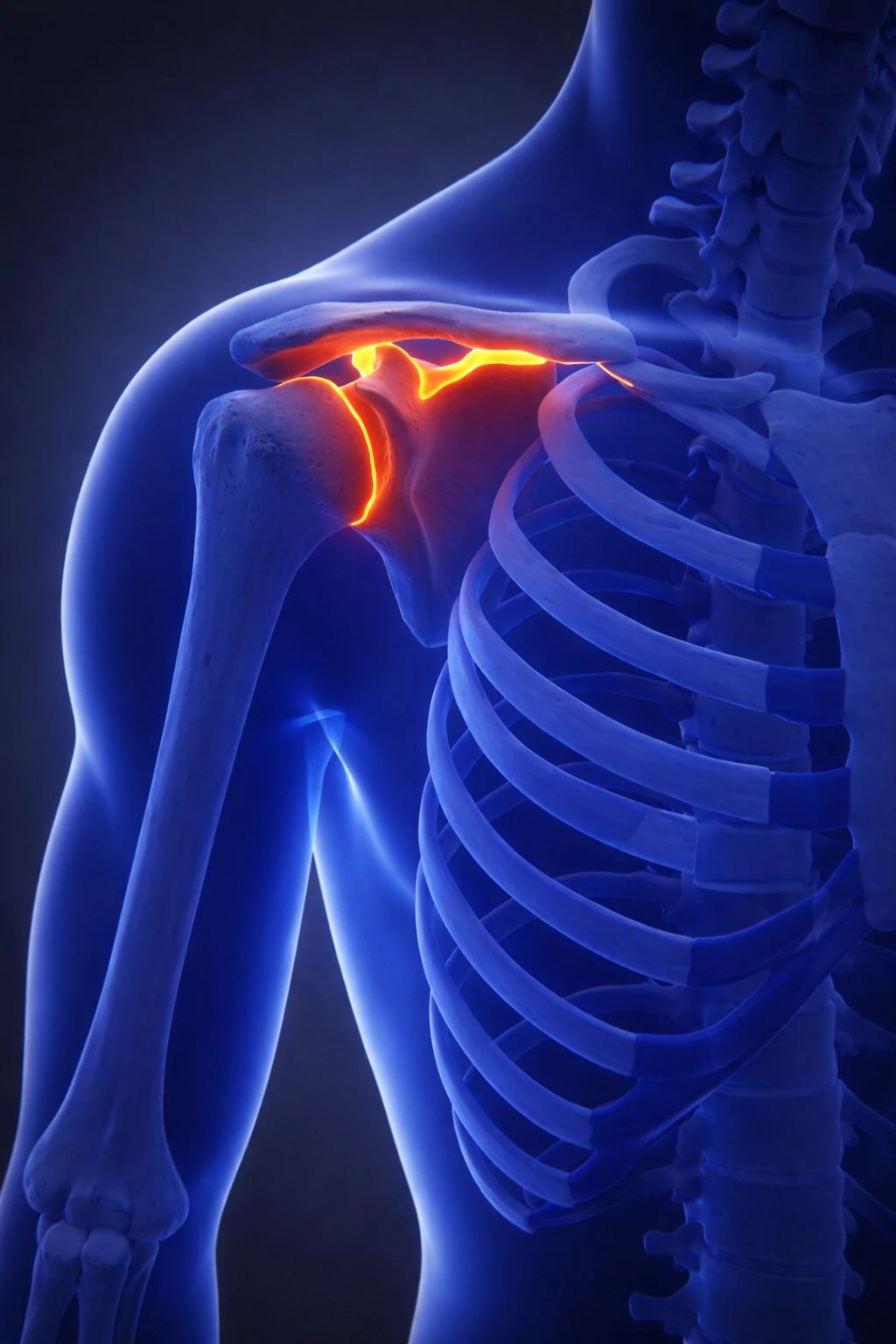
Common Shoulder Conditions We Treat
Rotator Cuff Tear
What it is: Damage to the tendons that stabilize and move your shoulder joint.
Common symptoms: Pain with overhead activities, weakness lifting objects, night pain disrupting sleep, progressive loss of motion.
Who it affects: Athletes with overhead motion, people over 40, manual laborers, anyone after shoulder trauma.
Treatment approach: Conservative management (physical therapy, injections) for partial tears; arthroscopic repair surgery for complete tears with significant symptoms.
Recovery timeline: 8-16 weeks for conservative treatment; 4-6 months for surgical repair.
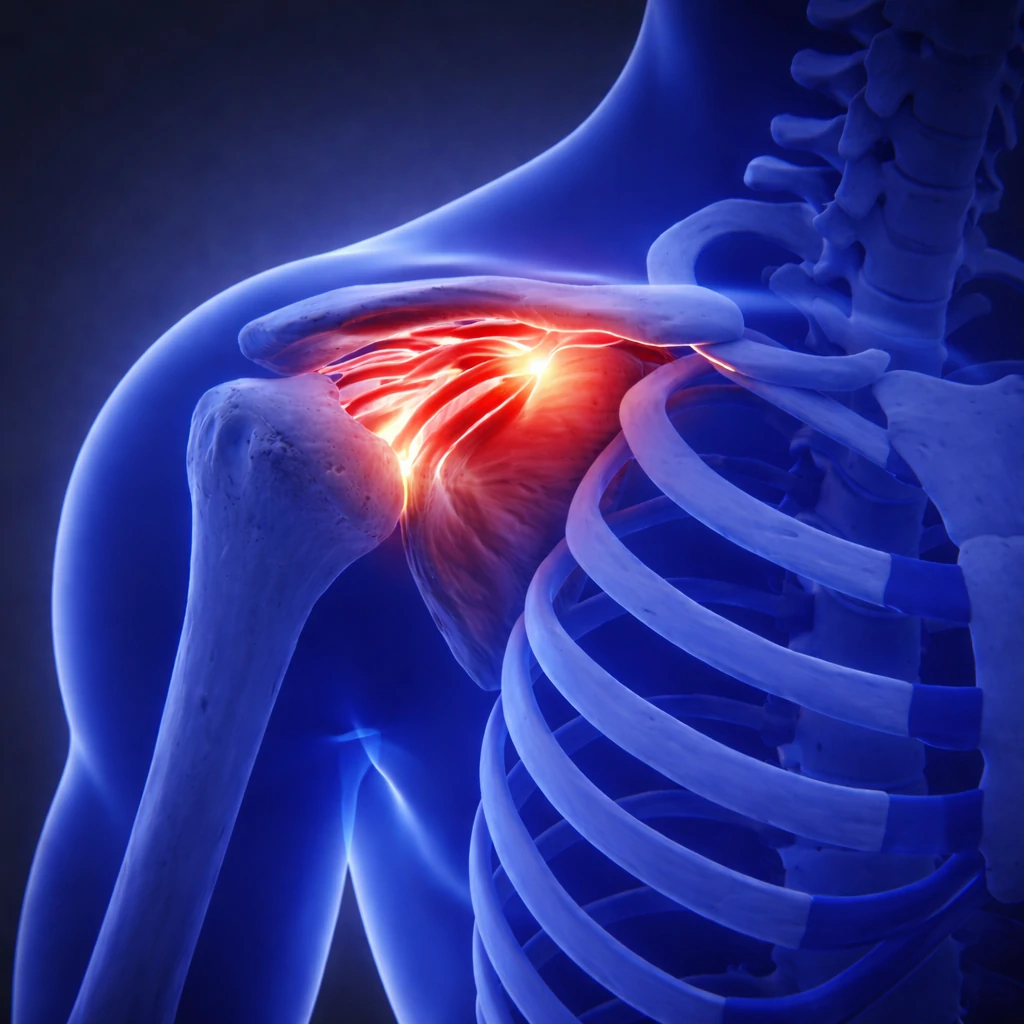
Shoulder Instability
What it is: Loose shoulder joint causing frequent dislocations or subluxations (partial dislocations).
Common symptoms: Shoulder “giving out” or sliding out of place, apprehension with certain movements, recurrent dislocations, weakness.
Who it affects: Young athletes in contact sports, people with previous shoulder dislocations, individuals with naturally loose ligaments.
Treatment approach: Physical therapy to strengthen stabilizing muscles; arthroscopic stabilization surgery for recurrent instability.
Recovery timeline: 3-4 months for conservative care; 4-6 months post-surgery for return to sports.
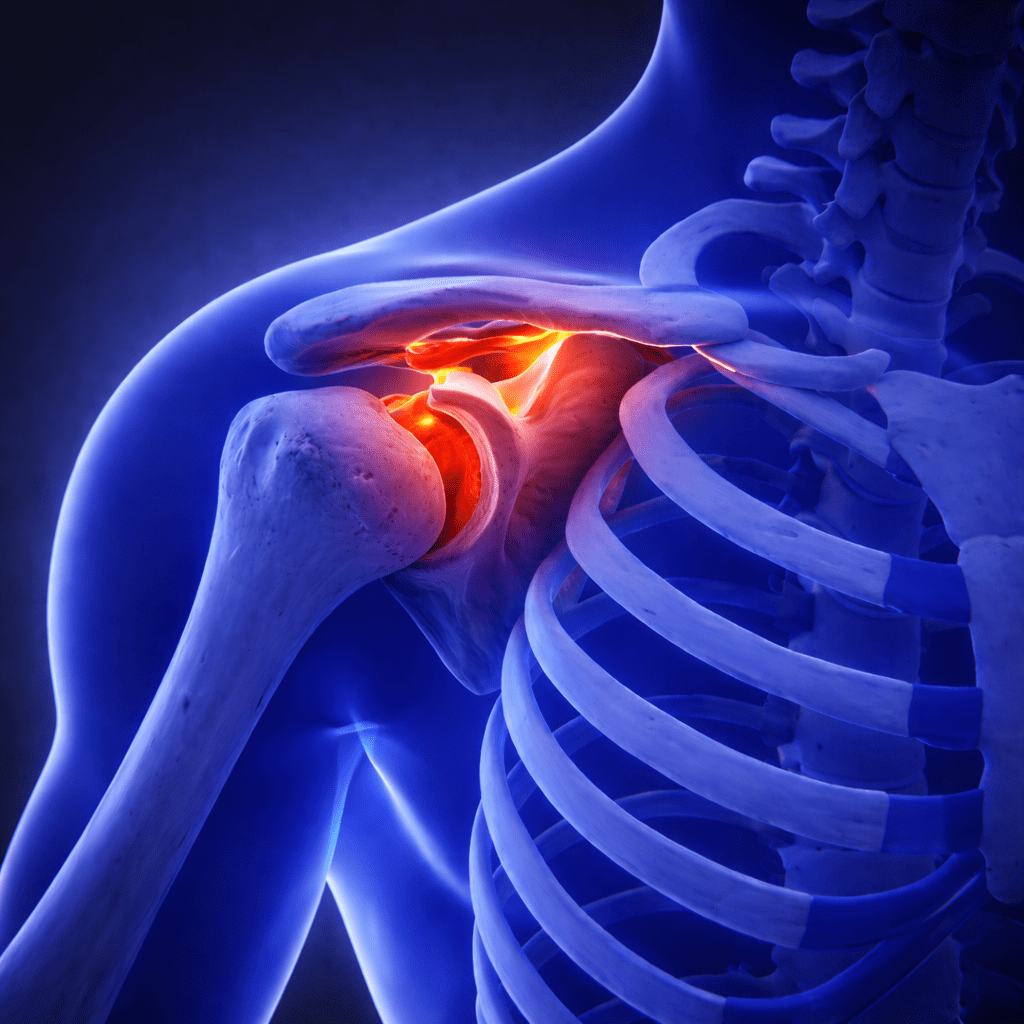
Shoulder Impingement
What it is: Compression of rotator cuff tendons and bursa between shoulder bones, causing inflammation and pain.
Common symptoms: Pain with overhead reaching, difficulty sleeping on affected side, progressive weakness, painful arc of motion.
Who it affects: Overhead athletes (swimmers, tennis players), painters, construction workers, office workers with poor posture.
Treatment approach: Activity modification, anti-inflammatory medications, physical therapy, corticosteroid injections; arthroscopic decompression if conservative treatment fails.
Recovery timeline: 6-12 weeks for conservative treatment; 3-4 months post-surgical decompression.
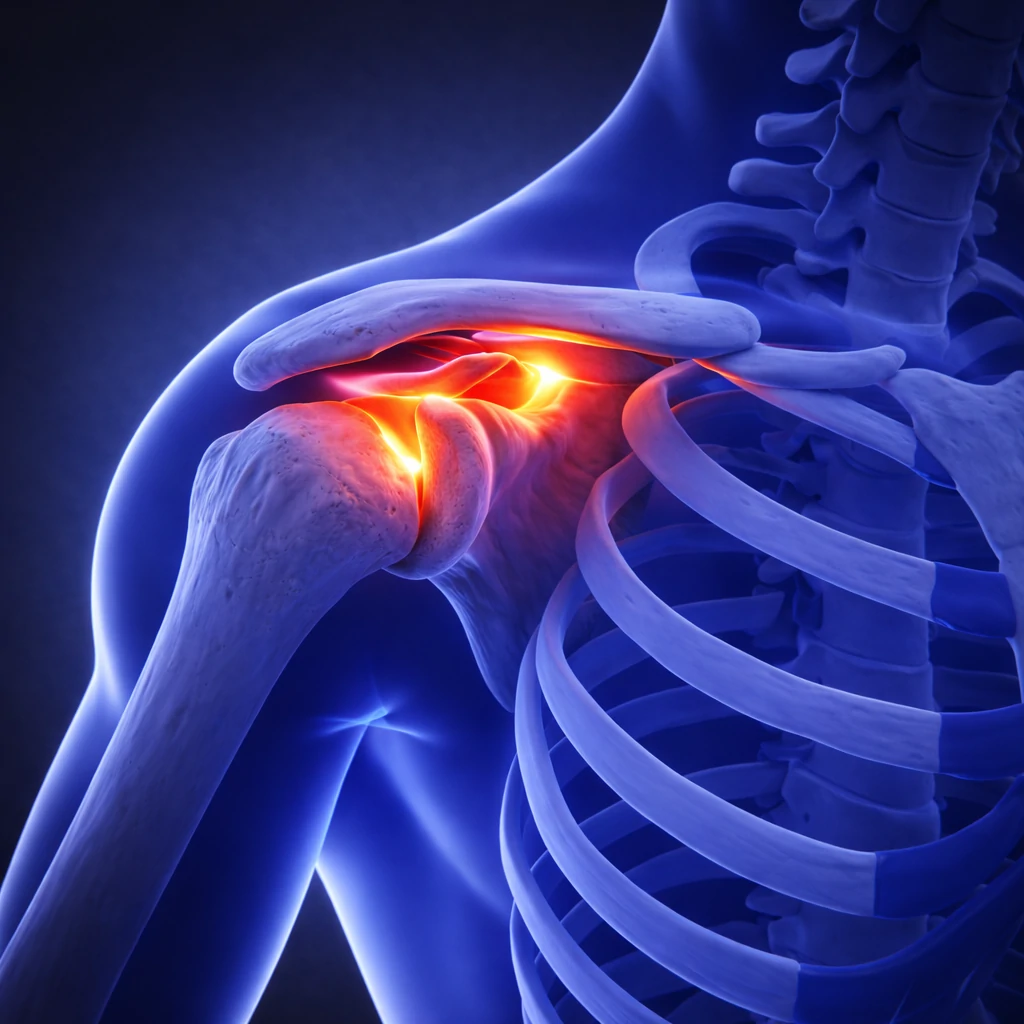
Frozen Shoulder (Adhesive Capsulitis)
What it is: Severe shoulder stiffness and pain caused by inflammation and thickening of the shoulder capsule.
Common symptoms: Progressive loss of motion in all directions, severe pain especially at night, inability to reach overhead or behind back.
Who it affects: People aged 40-60 (especially women), diabetics, individuals after shoulder injury or surgery, those with thyroid disorders.
Treatment approach: Physical therapy focusing on gentle stretching, pain management, corticosteroid injections; manipulation under anesthesia or arthroscopic capsular release for resistant cases.
Recovery timeline: 12-18 months with conservative treatment; 3-6 months with surgical intervention.
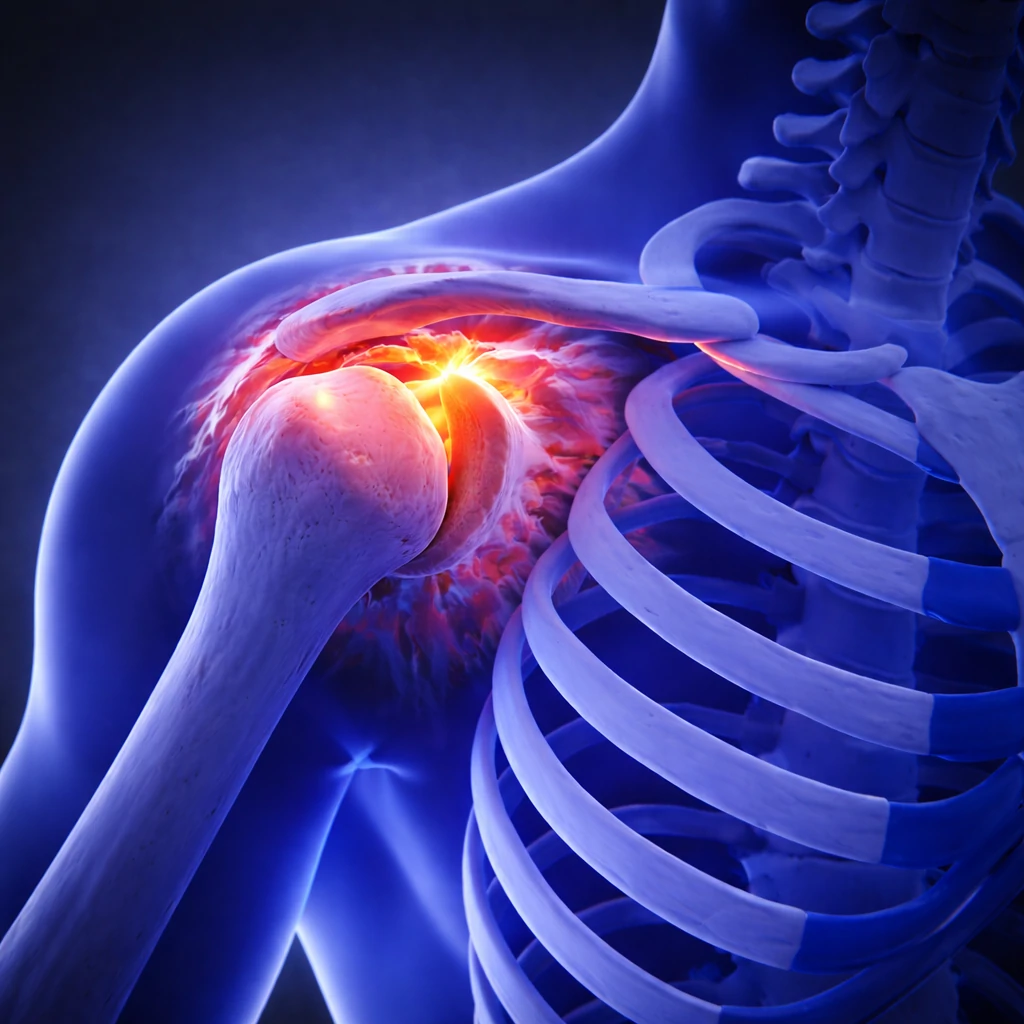
Bicep Tendonitis
What it is: Inflammation of the bicep tendon where it attaches at the front of the shoulder.
Common symptoms: Pain in front of shoulder, clicking or popping with arm movement, tenderness to touch, weakness with lifting.
Who it affects: Overhead athletes, weightlifters, people with repetitive overhead work, often occurs with rotator cuff problems.
Treatment approach: Rest, ice, anti-inflammatory medications, physical therapy, corticosteroid injections; bicep tenodesis surgery for severe or chronic cases.
Recovery timeline: 4-8 weeks for mild cases with conservative care; 3-4 months post-surgery.
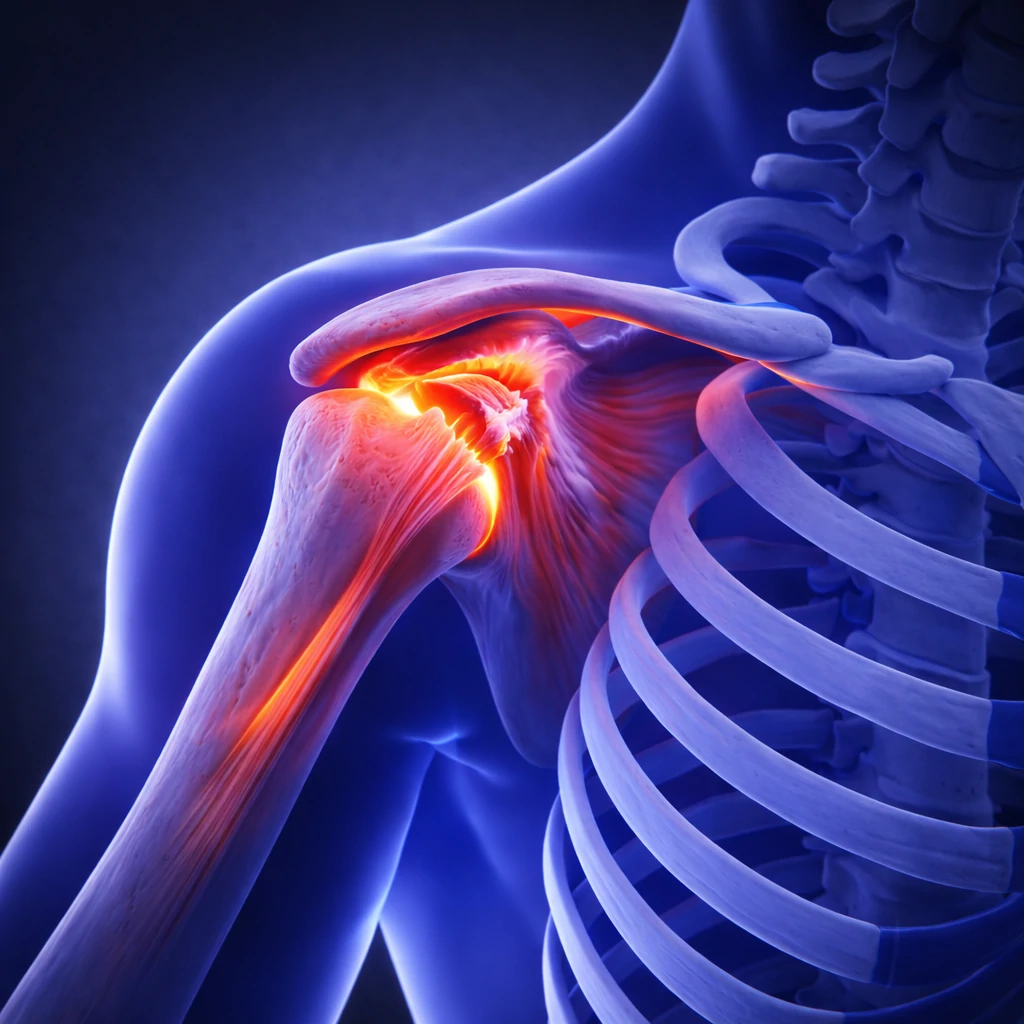
Tennis Elbow (Lateral Epicondylitis)
What it is: Inflammation and micro-tears of the tendons on the outside of the elbow from repetitive wrist and arm motions.
Common symptoms: Pain and burning on outer elbow, weak grip strength, pain when lifting or gripping objects, worsening with wrist extension.
Who it affects: Not just tennis players—carpenters, plumbers, painters, office workers with repetitive computer use, anyone with repetitive gripping motions.
Treatment approach: Activity modification, bracing, physical therapy, PRP injections; surgical release for cases unresponsive to 6-12 months conservative treatment.
Recovery timeline: 6-12 months for conservative treatment; 4-6 months post-surgery.
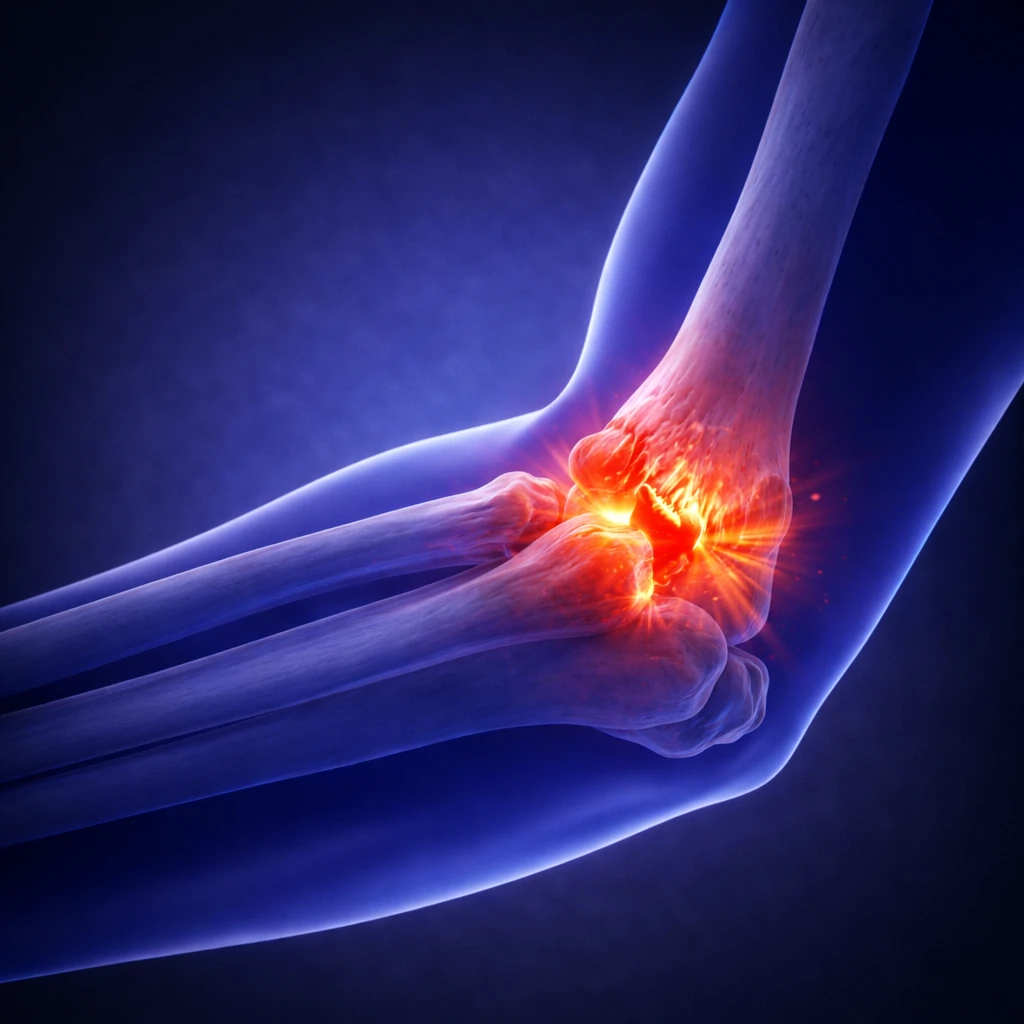
Golfers Elbow (Medial Epicondylitis)
What it is: Inflammation of tendons on the inside of the elbow from repetitive wrist flexion and gripping.
Common symptoms: Pain and tenderness on inner elbow, weakness in wrist flexion, pain when making a fist, numbness or tingling in fingers.
Who it affects: Golfers, baseball pitchers, rock climbers, weightlifters, manual laborers with repetitive gripping.
Treatment approach: Similar to tennis elbow—rest, physical therapy, bracing, injections; surgery if needed after exhausting conservative options.
Recovery timeline: 6-12 months conservative; 3-6 months post-surgery.
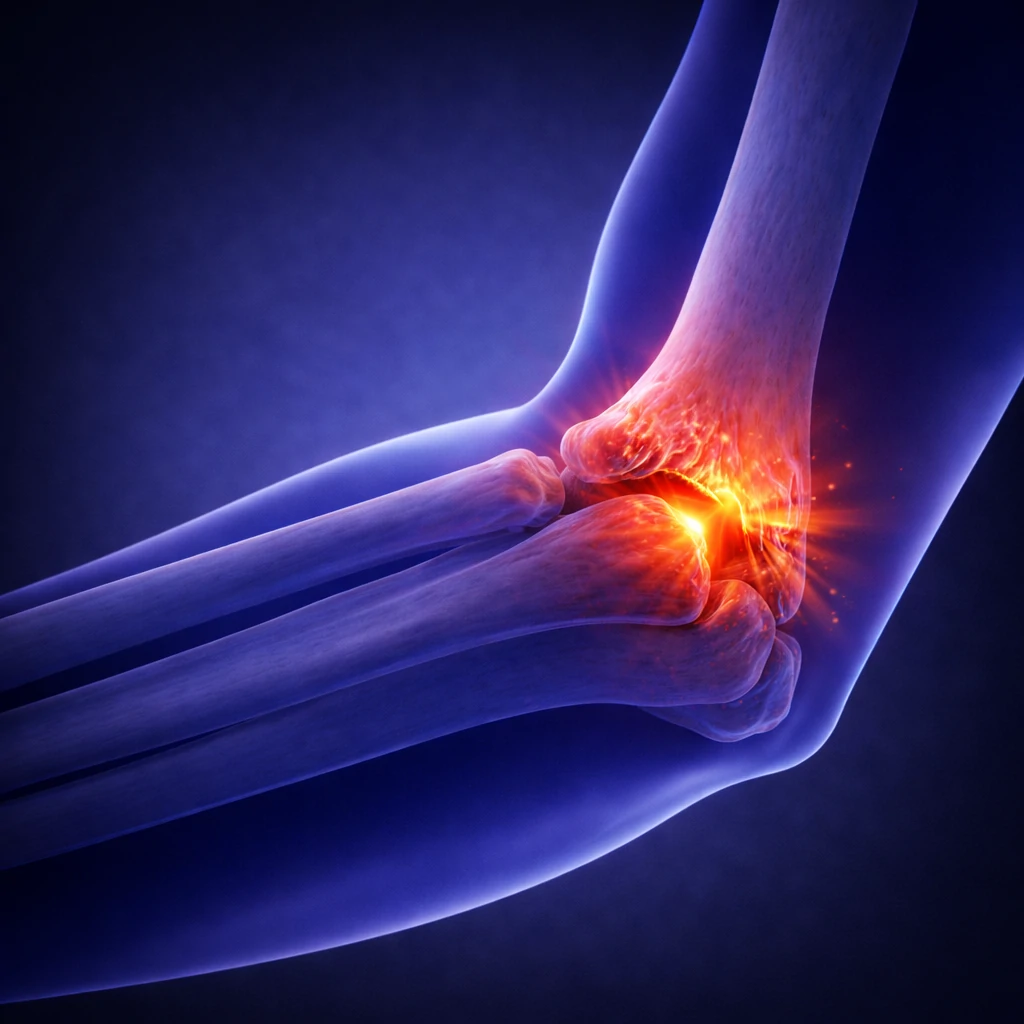
What We offer
What Shoulder Conditions
Do We Treat?
Rotator Cuff Injuries
Pain with lifting or reaching overhead
Night pain or weakness in the arm
Shoulder Dislocation & Instability
History of the shoulder “popping out”
Feeling of looseness or repeated dislocations
Shoulder Arthritis / Joint Degeneration
Deep ache, grinding sounds, or reduced range of motion
Chronic pain not responding to medication
Frozen Shoulder
(Adhesive Capsulitis)
Gradual stiffness and reduced mobility
Pain that worsens over time
Shoulder Arthroscopy: Minimally Invasive Surgical Excellence
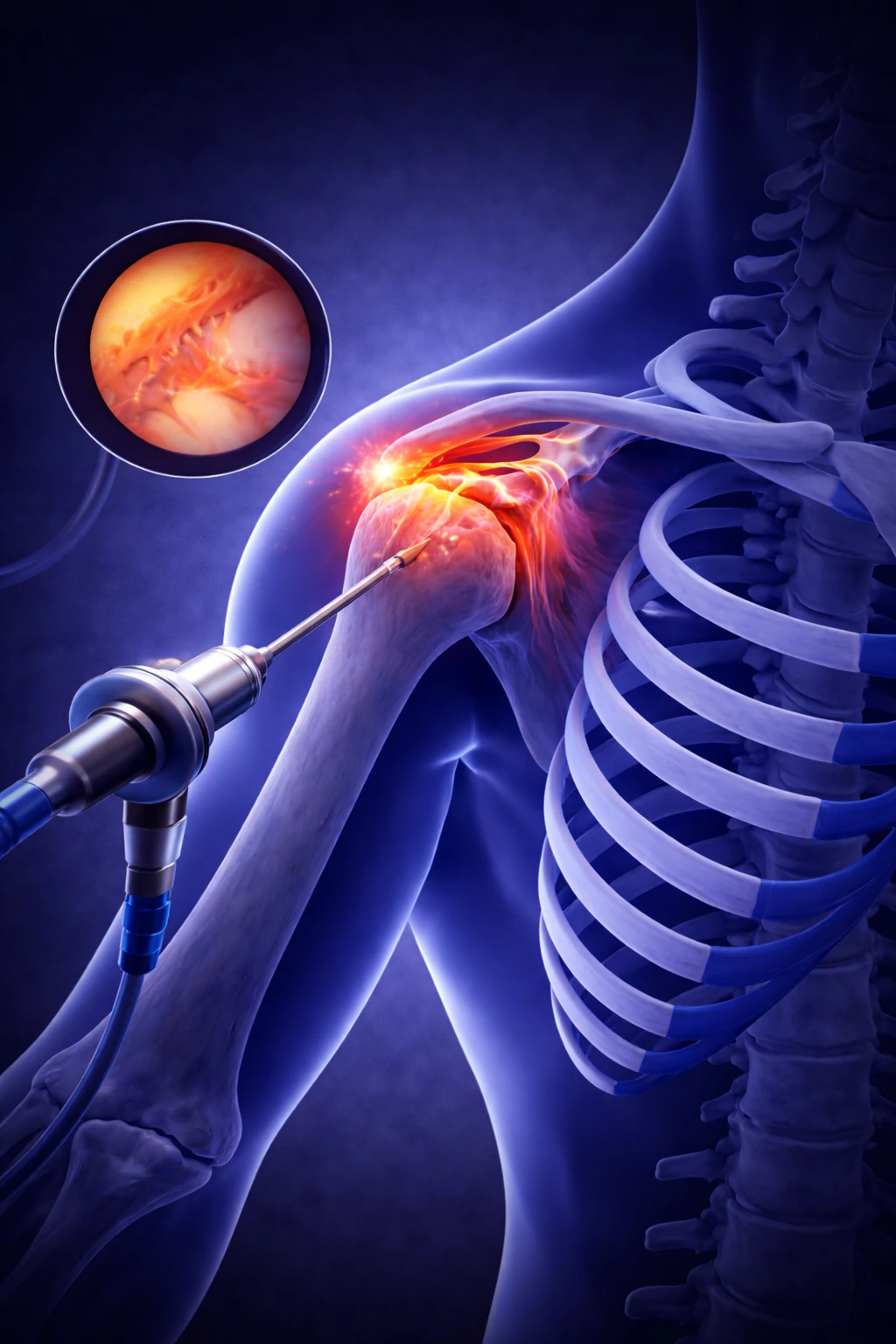
What is Shoulder Arthroscopy?
Shoulder arthroscopy is a minimally invasive surgical technique that allows Dr. Usama to diagnose and treat shoulder problems through tiny incisions using a small camera (arthroscope) and specialized instruments. This advanced approach offers significant advantages over traditional open surgery.
Benefits of Arthroscopic Shoulder Surgery:
Smaller Incisions: Only 3-4 tiny portals (5-10mm each) instead of large open incisions, resulting in minimal scarring and better cosmetic outcomes.
Reduced Pain: Less tissue trauma means significantly less postoperative pain and reduced need for narcotic pain medications.
Faster Recovery: Patients typically return to daily activities weeks faster than with open surgery. Most procedures are outpatient—you go home the same day.
Lower Infection Risk: Smaller incisions and less tissue exposure dramatically reduce infection rates compared to open procedures.
Better Visualization: High-definition arthroscopic camera provides magnified views of shoulder structures, allowing for more precise surgical repairs.
Preservation of Healthy Tissue: Minimally invasive approach preserves surrounding muscles and tissues, leading to better long-term function.
Conditions Treated with Shoulder Arthroscopy:
- Rotator Cuff Tears: Arthroscopic rotator cuff repair using suture anchors to reattach torn tendons to bone
- Labral Tears (SLAP Lesions): Repair of cartilage rim around shoulder socket
- Shoulder Impingement: Removal of bone spurs and inflamed bursa (subacromial decompression)
- Shoulder Instability: Capsular repair and labral reconstruction to stabilize loose shoulder joint
- Bicep Tendon Problems: Tenodesis (reattachment) or tenotomy (release) of damaged bicep tendon
- Frozen Shoulder: Capsular release to restore range of motion
- AC Joint Problems: Resection of arthritic AC joint (distal clavicle excision)
- Calcific Tendonitis: Removal of calcium deposits causing pain
The Arthroscopic Procedure:
Pre-Surgery: Comprehensive evaluation, imaging review, surgical planning discussion, medical clearance.
Day of Surgery: Outpatient procedure performed under general anesthesia with nerve block for pain control. Surgery typically takes 60-90 minutes depending on complexity.
The Technique: Small incisions allow insertion of arthroscopic camera and instruments. Dr. Usama views the entire shoulder joint on high-definition monitors, identifying all pathology. Necessary repairs performed with specialized arthroscopic instruments. Incisions closed with small sutures or surgical glue.
Recovery Room: 1-2 hours monitoring before discharge home same day with detailed recovery instructions.
Why Choose Arthroscopy
with Dr. Usama?
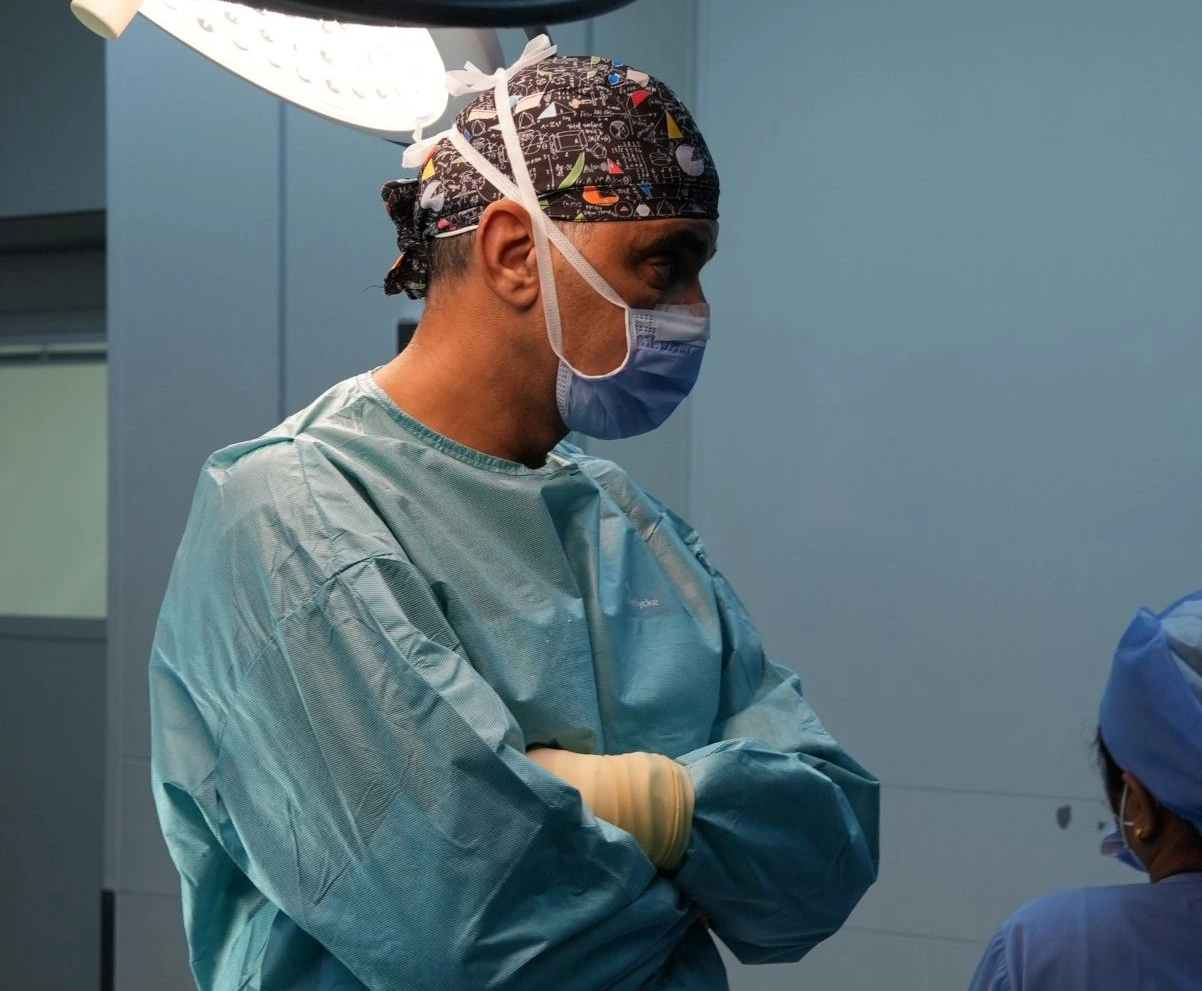
Dr. Usama Saleh completed advanced fellowship training in arthroscopic techniques at the University of Toronto, one of the world’s leading centers for minimally invasive orthopedic surgery. With 23+ years of experience performing thousands of shoulder arthroscopies, Dr. Usama combines technical excellence with personalized patient care.
His expertise in arthroscopic shoulder surgery consistently delivers:
Sports-Related Shoulder Injuries
Dr. Usama Saleh completed advanced fellowship training in arthroscopic techniques at the University of Toronto, one of the world’s leading centers for minimally invasive orthopedic surgery. With 23+ years of experience performing thousands of shoulder arthroscopies, Dr. Usama combines technical excellence with personalized patient care.
His expertise in arthroscopic shoulder surgery consistently delivers:
Overhead Athletes (Swimming, Tennis, Volleyball, Baseball):
- Rotator cuff tendonitis and tears
- Shoulder impingement syndrome
- Labral tears (SLAP lesions)
- Internal impingement
- Scapular dyskinesis (poor shoulder blade control)
Contact Sports (Rugby, Football, Martial Arts):
- Shoulder dislocations and instability
- AC joint separations
- Clavicle (collarbone) fractures
- Rotator cuff tears from trauma
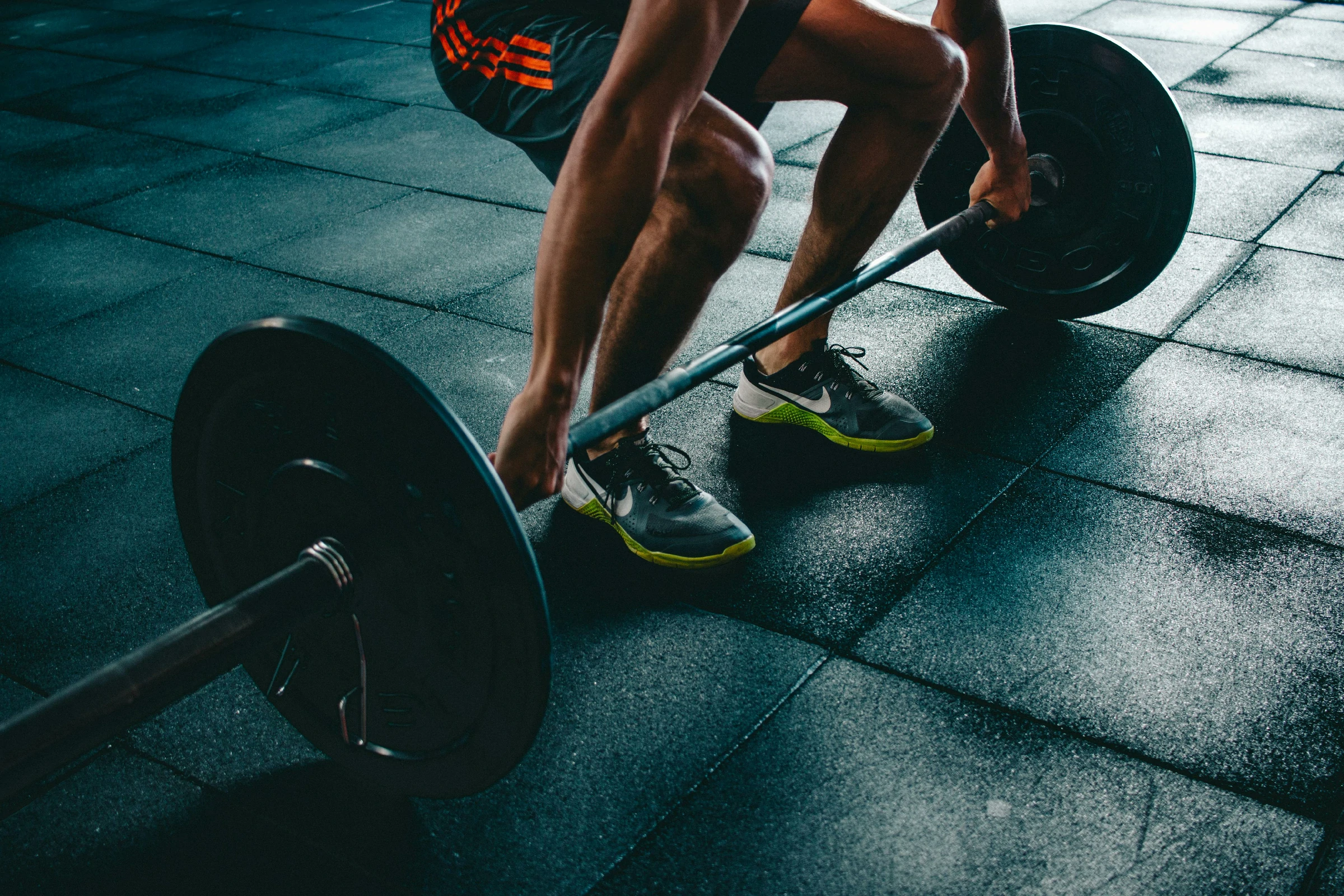
Strength Sports (Weightlifting, CrossFit, Bodybuilding):
- Rotator cuff tears
- Labral tears
- AC joint problems
- Pectoralis major tendon tears
- Bicep tendon ruptures
Throwing Sports (Cricket, Javelin, Baseball):
- Internal impingement
- SLAP tears
- Posterior capsule tightness
- Rotator cuff strain
- Elbow problems (tennis/golfers elbow)
Treatment Timeline for Athletes
Conservative Management (Minor Injuries):
- Initial rest and activity modification: 1-2 weeks
- Progressive rehabilitation: 4-8 weeks
- Sport-specific training: 2-4 weeks
- Full return to sport: 6-12 weeks
Surgical Repair (Major Injuries):
- Surgery and initial healing: 4-6 weeks
- Physical therapy and strengthening: 8-16 weeks
- Sport-specific training: 4-8 weeks
- Full return to competition: 4-9 months (varies by procedure and sport)
Personalized Treatment for Every
Shoulder Condition
1. Accurate Diagnosis
Advanced imaging and biomechanical assessment to identify the exact injury and contributing factors
2. Sport-Specific Rehabilitation
Tailored therapy programs addressing the specific demands of your sport
3. Performance Optimization
Not just healing, improving mechanics and strength to prevent re-injury and enhance performance
4. Return-to-Sport Protocol
Structured progression through activity levels with objective criteria for safe return to competition
5. Injury Prevention
Education and exercise programs to reduce future injury risk
Non-Surgical Shoulder Treatment Options
Not every shoulder problem requires surgery. In fact, many shoulder conditions respond excellently to conservative, non-surgical treatment approaches. Dr. Usama always explores conservative options first, reserving surgery for cases that truly need it.
When Conservative Treatment Works Best:
- Mild to moderate rotator cuff tendonitis (without complete tear)
- Early-stage shoulder impingement
- Mild shoulder instability (first-time dislocations in older adults)
- Bicep tendonitis
- Bursitis
- Frozen shoulder (early stages)
- Mild osteoarthritis
- Muscle strains and minor injuries
Comprehensive Non-Surgical Treatment Options:
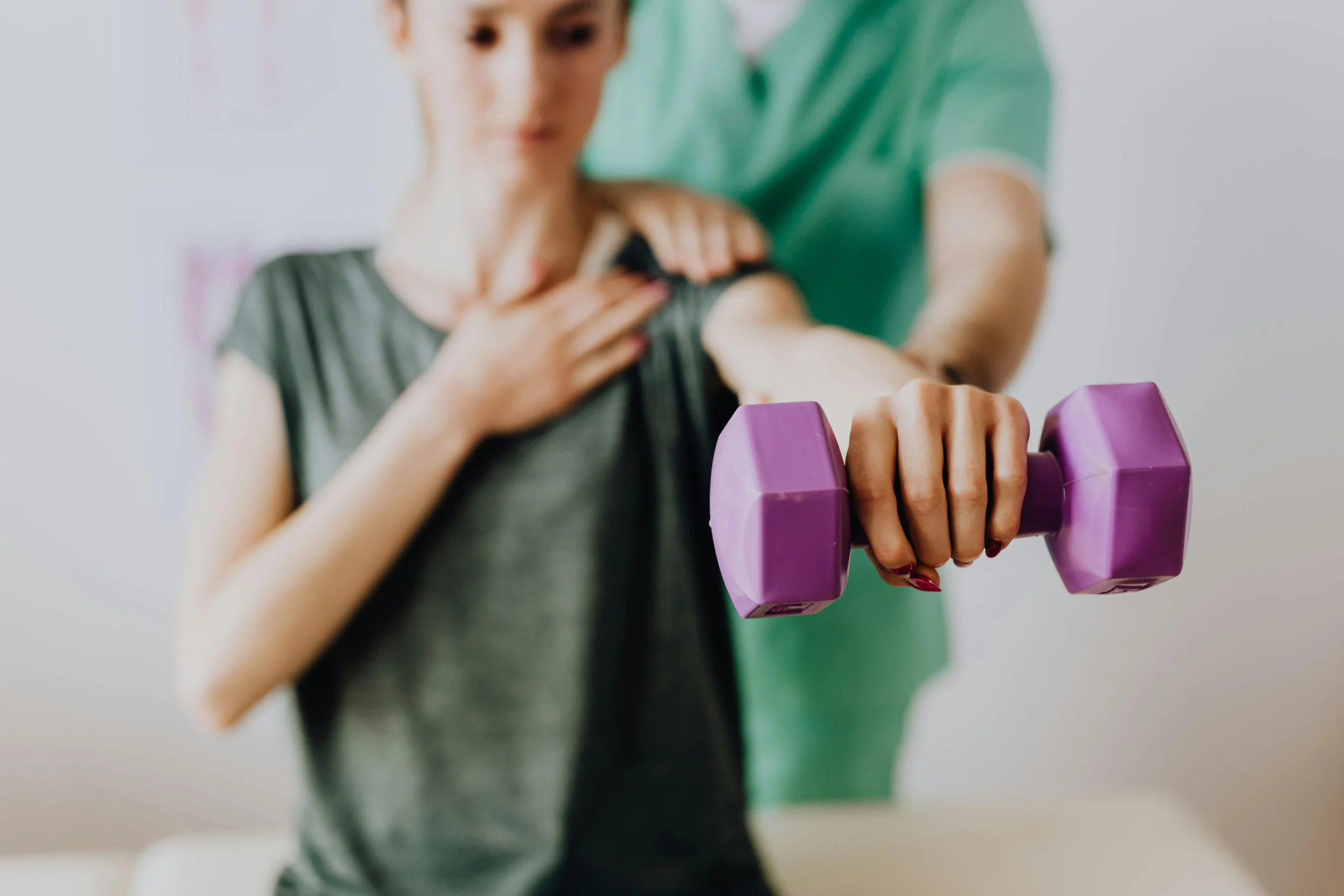
Physical Therapy
Purpose: Strengthen supporting muscles, improve mechanics, restore range of motion, reduce pain.
What it involves: Structured exercise program typically 2-3 sessions per week for 6-12 weeks. Includes stretching, strengthening, postural training, and activity-specific exercises.
Success rate: 60-80% for appropriate conditions when combined with activity modification and proper adherence.
Best for: Impingement, rotator cuff tendonitis, mild instability, frozen shoulder, post-surgical rehabilitation.
Activity Modification
Purpose: Allow healing by avoiding aggravating movements while maintaining overall fitness.
What it involves: Temporary adjustment of work duties, sports participation, and daily activities. May include ergonomic changes, equipment modifications, or alternative exercises.
Timeline: 4-12 weeks depending on condition severity.
Best for: Overuse injuries, tendonitis, impingement, early rotator cuff problems.
Anti-Inflammatory Medications
Purpose: Reduce pain and inflammation to facilitate healing and physical therapy.
What it involves: Oral NSAIDs (ibuprofen, naproxen) or prescription anti-inflammatories taken for 2-6 weeks during acute phases.
Considerations: Used carefully in older adults and those with stomach, kidney, or cardiovascular issues.
Best for: Acute inflammation, tendonitis, bursitis, impingement.
Corticosteroid Injections
Purpose: Provide targeted, powerful anti-inflammatory effect directly to problem area.
What it involves: Guided injection of corticosteroid medication into the shoulder joint, bursa, or around tendons. Usually provides relief within 3-5 days.
Limitations: Used judiciously (typically 2-3 injections maximum per year) to avoid potential tendon weakening. Not a cure, but can break pain cycles and allow effective physical therapy.
Success rate: 70-80% experience significant pain relief for 6-12 weeks; some achieve longer-lasting improvement.
Best for: Impingement with bursitis, frozen shoulder, arthritis, acute inflammation unresponsive to oral medications.
PRP (Platelet-Rich Plasma) Injections
Purpose: Harness your body’s natural healing factors to promote tissue repair and regeneration.
What it involves: Blood drawn from your arm, processed to concentrate healing platelets and growth factors, then injected precisely into damaged shoulder tissues under ultrasound guidance.
Timeline: May take 4-12 weeks to see full effects; sometimes series of 2-3 injections recommended.
Evidence: Growing research support for partial rotator cuff tears, tendonitis, and early arthritis. Not covered by most insurance.
Best for: Partial rotator cuff tears, chronic tendonitis resistant to other treatments, early degenerative conditions.
Shoulder Bracing and Support
Purpose: Provide support, limit harmful motions, improve proprioception (joint position awareness).
What it involves: Custom or off-the-shelf braces, slings, or supports worn during activities or healing periods.
Duration: Variable depending on condition—may be days to weeks.
Best for: Acute injuries requiring rest, instability during healing, return-to-activity phases.
Conservative Treatment Timeline
Weeks 1-2
Pain management, activity modification, begin gentle range of motion
Weeks 3-6
Progressive strengthening, continued physical therapy, gradual return to activities
Weeks 7-12
Advanced strengthening, sport/work-specific training, maintenance program
Month 3-6
Continue maintenance exercises, full return to activities, long-term injury prevention
Life After Surgery: A Patient Story
Case: Frozen Shoulder – Noura A., 47, HR Manager
“After a year of stiffness and frustration, Dr. Usama’s treatment gave me back my yoga practice and daily life. I wish I had come earlier!”
- Diagnosis: Adhesive capsulitis
- Treatment: Capsule release + home therapy
- Outcome: 90% range of motion restored in 8 weeks
Dr. Usama saleh
Orthopedic Surgery
Years of Experience
Satisfied Patient
Excellence in the Heart of Dubai
Nearby Services Include:
- On-site imaging and diagnostics
- International insurance processing
- Multilingual support staff
Why Choose Dr. Usama Saleh
A Shoulder Specialist You Can Trust
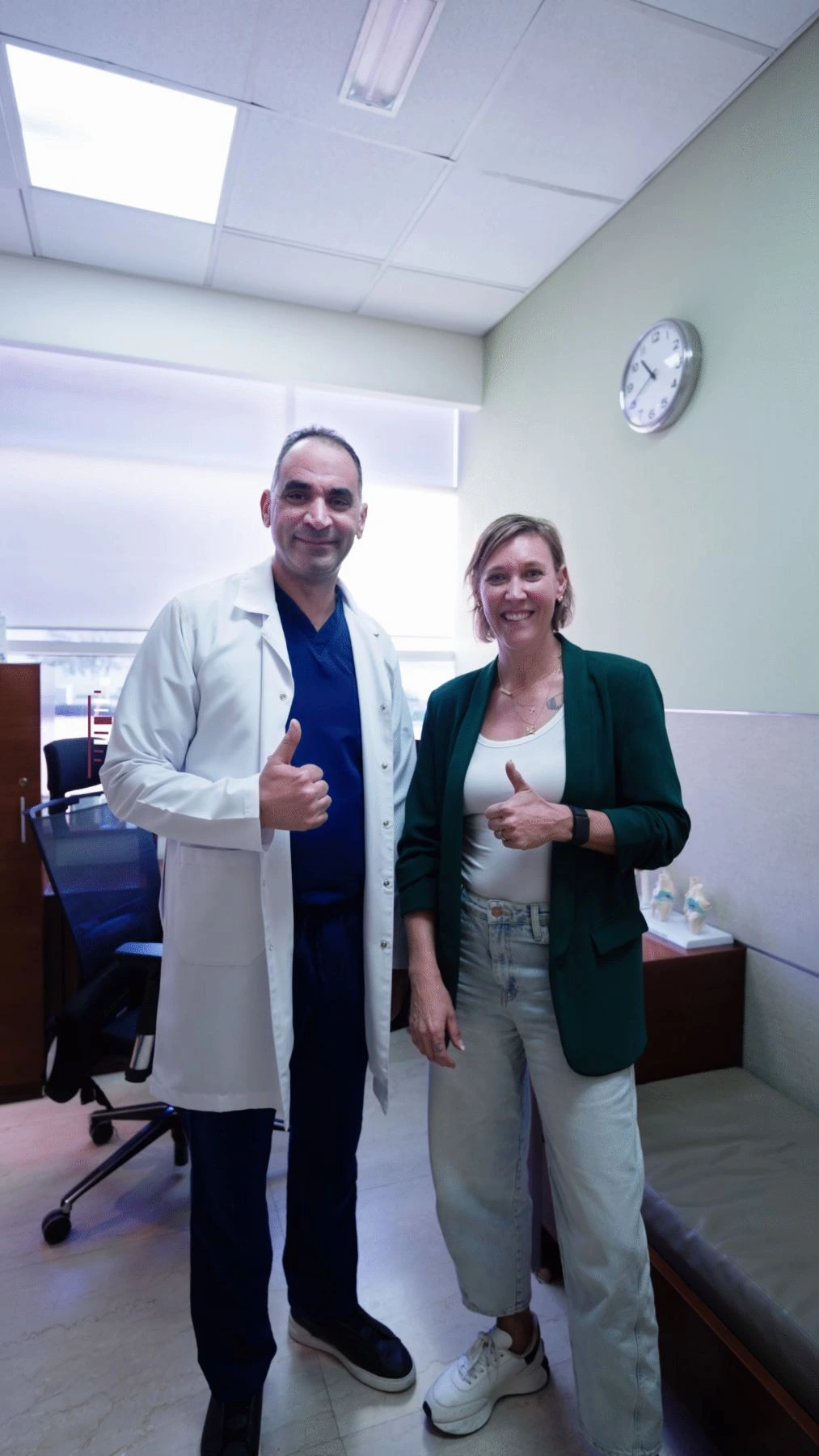
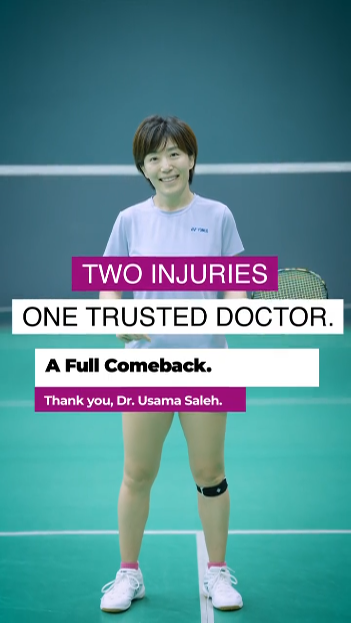
Real People. Real Transformations.
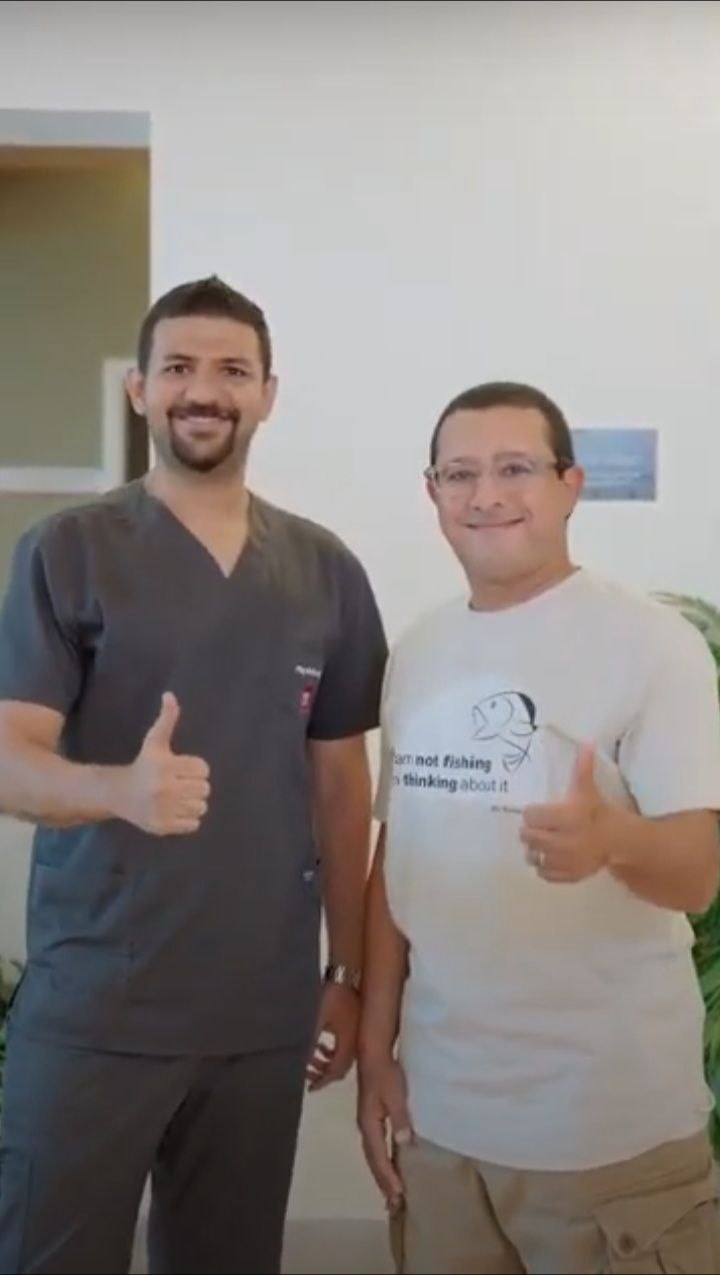
I had Achilles tendon surgery earlier this year, and I couldn’t be more grateful for the care I received from Dr. Usama Hassan Saleh and his team. From the first consultation to the post-surgery follow-ups, everything was handled with professionalism, skill, and genuine compassion. The recovery process was smooth thanks to the clear guidance and support provided. I’m now fully recovered and almost back to my regular activities—truly thankful for the excellent care!
Dr. Usama is a great asset to the hospital, i was lucky enough that he did my operation and the amount of care and experience he has is priceless .A big thank as well to nurse Merin for her care, smile and professionalism.I am glads to be a patient for dr. Usama clinic 🙂
Local Guide
I have been using Dr. Usama medical advisory and treatment for over 3 years now for various skeletal and tendon issues I have had and every time I visit I am always being provided with top notch medical guidance, and treatment plans that has been proven most useful and reliable.On the other hand, his patient management and personal involvement are always great to have and very assuring.
I had my meniscus repair surgery with Dr Usama. Alhumdulillah from the get go he was honest and geniune about the whole process and recovery. Today I'm able to walk long distances and lift again with no pain. Hoping to run again soon inshallah.
Dr Usama Saleh is so professional and amazing everything with him went smoothly from before the surgery he prepared me mentally and after the surgery too, I highly recommend him to anybody having ACL or ligament or a shoulder problem now I’m 3 weeks after the surgery and my recovery process is faster because of the way he sitting my mindThank you dr Usama and Medcare for the special treatment
Dr. Usama is amazing! He fixed my shoulder after spotting an MRI issue others missed, adjusting my physio for great results. He also performed flawless meniscus surgery on my knee, and his post-op care ensured a smooth recovery. When a minor issue arose later, he resolved it instantly. Grateful for his expertise and dedication—highly recommend!
Thank you Dr. Osama Hassan for your care and attention. Happy Eid.
Ma Shaa Allah Expert doctor with humanity manner Appreciate his work
Best doctor I've ever seen, highly recommend. He is very honest which is hard to find nowadays.

Shoulder Treatment FAQs
Need something cleared up? Here are our most frequently asked questions.
Yes, in some cases. Dr. Usama always begins with the least invasive route and escalates only when needed.
With modern anesthesia and post-op support, most patients describe the discomfort as very manageable.
Depending on the procedure, 2–6 weeks is typical for desk work, and 8–12 weeks for physical labor.
Interested in learning more?
Sports Injuries
Sports injuries demand expert care.
Dr. Usama Saleh offers advanced treatments from ligament repair to regenerative therapy to get you back in action.
Fracture Trauma Care
Fractures need more than urgent care they need expert management. Dr. Usama Saleh provides advanced fracture and trauma treatment using modern techniques.
Hip Back Spine Pain
Back and hip pain are common, but often treatable without surgery. Dr. Usama Saleh offers precise diagnosis and non-surgical care to relieve pain and restore function.
Non Surgical Orthopedic
Not all orthopedic pain needs surgery. Dr. Usama Saleh provides advanced treatments that support natural healing for joint wear, tendon issues, and early degeneration.
Knee Treatment
Knee injuries can be life-altering for athletes and active individuals. Dr. Usama Saleh offers expert diagnosis, minimally invasive care, and complete recovery plans.
Take control of your health, mobility, and quality of life.
Your First Step Toward a Stronger Tomorrow Starts Now:
Book your personal consultation with Dr. Usama Saleh today and begin your journey to a better you.
Thank you — your message was sent.

erhan